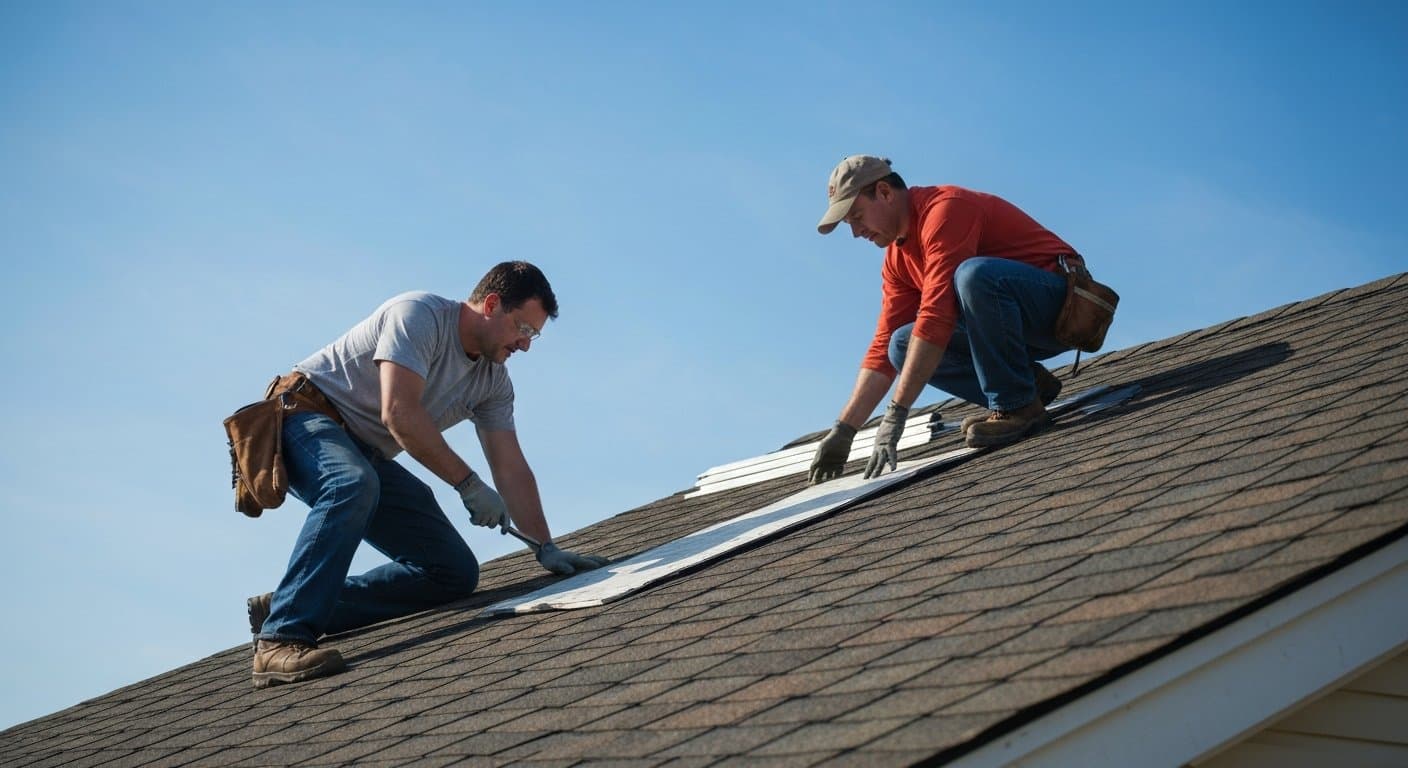
Roof Ventilation Phoenix: Expert Installation and Repair
Ensure your home stays cool with expert roof ventilation in Phoenix. Trust our installation and repair services for a healthier roofing system.
Proper roof ventilation is one of the most critical—and often overlooked—components of a healthy roofing system in Phoenix. Without adequate airflow, attic heat can soar above 150°F in summer, accelerating shingle degradation, warping decking, and driving up cooling costs. Roofrepairsphoenixaz delivers professional roof ventilation assessment, installation, and repair throughout the Phoenix metro area. Call or text (602) 878-1896 to schedule an inspection and learn how balanced ventilation protects your roof and your home.
Quick Answer: What You Need to Know About Roof Ventilation
Roof ventilation Phoenix projects typically involve inspecting your attic and roof line to ensure balanced intake (soffit or low vents) and exhaust (ridge, turbine, or box vents). A well-designed system allows cool air to enter at the eaves and hot air to escape at the peak, creating continuous airflow that reduces attic temperatures by 20 to 40 degrees in summer and prevents moisture buildup in winter. According to the National Roofing Contractors Association, proper ventilation extends the life of roofing materials and insulation while improving energy efficiency. Most Phoenix homes require one square foot of net free ventilation area for every 150 square feet of attic floor, split evenly between intake and exhaust.
If your attic feels like a furnace, you notice water stains on decking, or your shingles are curling prematurely, your roof likely needs better ventilation. Roofrepairsphoenixaz evaluates your existing setup, recommends the right mix of vents, and installs or repairs them to code. Timing depends on scheduling, the scope of the job, and your location.
What Affects the Cost of Roof Ventilation Work
Roof ventilation pricing varies by system design, materials, and labor. The table below outlines the main factors:
| Factor | How It Moves the Price | |---------------------------------|----------------------------------------------------------------------------------------------------------| | Attic size and roof pitch | Larger attics require more vents; steep pitches demand additional safety equipment and labor hours. | | Vent type and quantity | Ridge vents, turbines, power fans, and soffit vents each carry different material and installation costs.| | Access and existing structure| Blocked soffits, multiple roof planes, or tile roofs add complexity and time. | | Repair vs. new installation | Adding vents to an existing roof requires cutting, flashing, and sealing; new construction is faster. | | Permits and code compliance | Some jurisdictions require permits for structural changes or powered ventilation systems. | | Season and urgency | Emergency repairs during peak summer or after storms may carry premium scheduling. |
Instead of guessing, call or text (602) 878-1896 for a written estimate based on your roof's actual configuration and your ventilation goals.
Why Proper Roof Ventilation Matters in Phoenix
Phoenix experiences some of the harshest roofing conditions in North America: summer highs routinely exceed 110°F, intense UV exposure year-round, and sudden monsoon downpours. Inadequate roof ventilation Phoenix systems trap heat and moisture, creating a cascade of problems.
Heat Damage and Energy Efficiency
Attics without proper airflow become thermal ovens in summer. Radiant heat soaks through insulation and forces air conditioners to run longer, increasing utility bills. Shingles bake from above and below, causing granule loss, cracking, and premature failure. Tile roofs also suffer: trapped heat can warp battens and underlayment, leading to costly repairs. Balanced ventilation exhausts hot air before it damages materials or radiates into living spaces.
Moisture and Mold
While Phoenix is arid, moisture still enters attics from bathroom exhaust, dryer vents, and even everyday living. Without exhaust ventilation, humid air condenses on cold surfaces in winter or during overnight temperature swings, promoting mold growth on decking and rafters. Our roof inspection Phoenix services often reveal hidden moisture damage caused by blocked or missing vents.
Warranty and Code Compliance
Many shingle manufacturers require adequate ventilation to honor material warranties. Building codes in Arizona reference the International Residential Code, which specifies minimum ventilation ratios and balanced intake-exhaust design. Homeowners can verify contractor licensing and code compliance by checking the Arizona Registrar of Contractors website—ask your contractor for their ROC license number and proof of insurance before work begins.
Types of Roof Ventilation Systems We Install
Roofrepairsphoenixaz designs and installs ventilation solutions tailored to Phoenix roofing materials and climates. Each system balances intake and exhaust to maximize airflow.
Ridge Vents
Ridge vents run the length of the roof peak, providing continuous exhaust along the highest point where hot air naturally rises. They pair with soffit or low vents for optimal airflow. Ridge vents are low-profile, durable, and compatible with most shingle and flat-tile roofs. Installation involves cutting a narrow slot along the ridge and capping it with a vented ridge cap. We install ridge vents on new roofs and retrofit them during reroofing projects.
Turbine Vents
Turbine (whirlybird) vents use wind to spin an internal fan that draws hot air out of the attic. They require no electricity and work effectively in Phoenix's consistent breezes. Turbines suit tile and metal roofs where ridge vents are impractical. Each unit exhausts a defined area; larger attics need multiple turbines spaced evenly. We replace worn bearings and install new turbines to restore quiet, efficient operation.
Box Vents and Power Attic Fans
Box vents are static exhaust vents installed near the ridge on sloped roofs. They provide targeted exhaust in areas where ridge or turbine vents cannot be placed. Power attic fans use electric or solar motors to force air out, ideal for large or poorly ventilated attics. Solar-powered models qualify for energy-efficiency incentives—learn more at ENERGY STAR.
Soffit and Intake Vents
Intake vents at the eaves or soffits supply cool air to balance exhaust vents above. Continuous soffit vents, individual can vents, or low roof vents all serve this role. Blocked soffits—common in older Phoenix homes—choke airflow and must be cleared or retrofitted. We install perforated soffit panels or add low intake vents when soffit access is limited.
Signs Your Phoenix Roof Needs Better Ventilation
Recognizing ventilation problems early prevents expensive repairs. Watch for these warning signs:
- Excessive attic heat: If your attic feels hotter than the outdoor temperature, airflow is inadequate.
- Curling or blistering shingles: Heat buildup accelerates asphalt deterioration from below.
- Water stains or mold: Dark spots on decking or rafters signal trapped moisture.
- Ice dams in winter (rare but possible in higher elevations): Warm attic air melts snow unevenly.
- Premature roofing failure: Roofs failing before their expected lifespan often suffer ventilation issues.
- High energy bills: Overworked air conditioners point to poor attic insulation and ventilation.
If you see any of these, schedule an inspection. Our team assesses attic temperature, checks vent placement and quantity, and recommends cost-effective upgrades. For urgent issues after storms, explore our emergency roof repair Phoenix services.
Roofing Services We Provide
Roofrepairsphoenixaz offers comprehensive roofing solutions across the Phoenix metro. Our mobile team brings tools, materials, and expertise directly to your home.
- Roof ventilation assessment and design: Calculate net free area, balance intake and exhaust, and recommend the best vent types for your roof.
- Vent installation: Ridge vents, turbines, box vents, power fans, and soffit intake systems.
- Vent repair and replacement: Fix broken turbines, reseal leaking box vents, and replace damaged ridge caps.
- Attic inspection: Identify blocked vents, inadequate insulation, and moisture damage.
- Roof leak repair: Diagnose and fix leaks caused by improper flashing around vents—see our roof leak repair Phoenix guide.
- Storm damage assessment: Inspect and repair vents dislodged by monsoon winds—learn more in our monsoon roof damage guide.
- Tile, shingle, and flat roof services: Ventilation solutions for every Phoenix roofing material—compare options in our tile vs shingle vs foam article.
Every project starts with a thorough inspection and a written estimate. Call or text (602) 878-1896 to discuss your roof ventilation Phoenix needs.
Repair vs. Replacement: How to Tell What Your Roof Needs
Not every ventilation issue requires a full roof replacement. Roofrepairsphoenixaz evaluates your current system and recommends the most cost-effective path.
When Repair Is Enough
If your roof is structurally sound and you have some ventilation in place, targeted repairs or additions often solve the problem. We add intake vents to blocked soffits, install ridge vents along existing peaks, replace broken turbines, and reseal flashing around box vents. Repairs are faster, less expensive, and extend the life of your existing roof. Most ventilation upgrades on intact roofs qualify as repairs, not replacements.
When Replacement Makes Sense
If your roof is nearing the end of its service life—typically fifteen to twenty years for asphalt shingles, forty to fifty for tile—replacing the entire system while upgrading ventilation delivers better long-term value. New roofs include modern underlayment, balanced vent design, and updated flashing. Combining reroofing with ventilation upgrades avoids future disruption and ensures code compliance. Review our roof replacement cost guide for more details on planning a full replacement.
Insurance and Ventilation
Homeowners insurance typically covers ventilation damage caused by covered perils—wind, hail, or falling objects—but not wear-and-tear or deferred maintenance. If a monsoon tears off a turbine or ridge vent, file a claim and document the damage with photos. Our team works with adjusters to provide accurate repair estimates. For routine upgrades, expect to pay out of pocket, but remember that improved ventilation can lower premiums by reducing the risk of heat and moisture damage.
Areas We Serve
Roofrepairsphoenixaz serves Phoenix and surrounding communities. Our mobile service reaches:
- Central Phoenix, North Phoenix, South Phoenix
- Scottsdale, Tempe, Mesa, Chandler
- Glendale, Peoria, Surprise, Avondale
- Gilbert, Queen Creek, Apache Junction
- Paradise Valley, Fountain Hills, Cave Creek
Wherever you are in the metro, we bring roof ventilation Phoenix expertise to your door. Timing depends on scheduling, the scope of the job, and your location.
What We Need From You
Before we visit, gather the following information to speed the estimate process:
- Your address: Confirms service area and helps us route efficiently.
- Roof age: Approximate installation year, if known, helps us assess remaining life.
- Symptoms: Describe attic heat, leaks, shingle damage, or mold you've noticed.
- Photos: Exterior shots of vents, soffits, and any visible damage help us prepare.
- Insurance involvement: Let us know if you're filing a claim so we can coordinate documentation.
The more detail you provide, the faster we deliver an accurate estimate and schedule installation.
Why Choose Roofrepairsphoenixaz
Phoenix homeowners trust Roofrepairsphoenixaz for transparent pricing, professional workmanship, and responsive service. We focus exclusively on roofing—no distractions, no upsells for unrelated trades. Our team understands Arizona building codes and the unique demands of desert roofing. We carry liability insurance, and we encourage every customer to verify licensing through the Arizona Registrar of Contractors website.
We arrive prepared with the tools and materials to complete most ventilation projects in a single visit. From initial inspection to final cleanup, we prioritize clear communication and quality results. Whether you need a single turbine replaced or a whole-house ventilation retrofit, we deliver solutions that protect your investment and your comfort.
Frequently Asked Questions
How do I know if my roof has enough ventilation?
Measure your attic floor area and calculate one square foot of net free ventilation per 150 square feet, split evenly between intake and exhaust, or schedule a professional inspection.
Can I add ventilation to a tile roof?
Yes—turbine vents, box vents, and low intake vents work well on tile roofs; ridge vents require careful flashing under tile caps.
Will better ventilation lower my energy bills?
Improved airflow reduces attic heat, which decreases the load on your air conditioner and can lower cooling costs during Phoenix summers.
How long does vent installation take?
Timing depends on scheduling, the scope of the job, and your location; most single-vent installs or small upgrades finish in a few hours.
Do I need a permit to install roof vents?
Some cities and towns require permits for structural modifications or powered ventilation; ask your contractor to verify local requirements before work begins.
What happens if vents are blocked?
Blocked intake or exhaust vents trap heat and moisture, leading to shingle damage, decking rot, mold growth, and higher energy costs.
Can ventilation prevent monsoon damage?
Proper ventilation reduces thermal stress and moisture buildup but does not prevent wind or hail damage; secure installation and regular inspections minimize storm risk.
Schedule Your Roof Ventilation Phoenix Inspection Today
Balanced roof ventilation protects your home from extreme heat, moisture damage, and premature roofing failure. Roofrepairsphoenixaz brings decades of combined experience and a commitment to quality workmanship to every project. Whether you need a quick turbine replacement, a full ventilation retrofit, or an expert assessment before reroofing, we deliver honest advice and reliable results.
Call or text (602) 878-1896 now to schedule your inspection and receive a written estimate. Protect your roof, lower your energy costs, and enjoy peace of mind knowing your Phoenix home has the ventilation it needs.
Free roof inspection
Have a leak, monsoon damage, or a quote you want a second look at?
Licensed residential roofing across Phoenix and the Valley. Honest scopes, plain-language explanations, and no pressure.